Need Waterproofing Help? Call: (860) 875-6646
Most homeowners notice something is off in their basement long before they think to call top-rated waterproofing services in Manchester, CT. A damp smell after rain. Water along the wall-floor joint. A crack that was not there last year. The question that follows is whether it is serious enough to bring in a professional waterproofing team, or whether it can wait.
It almost never gets better on its own. Water problems in a foundation tend to get worse gradually, then suddenly. This guide covers the most common signs that a waterproofing professional needs to be involved, and what to expect once you make that call.
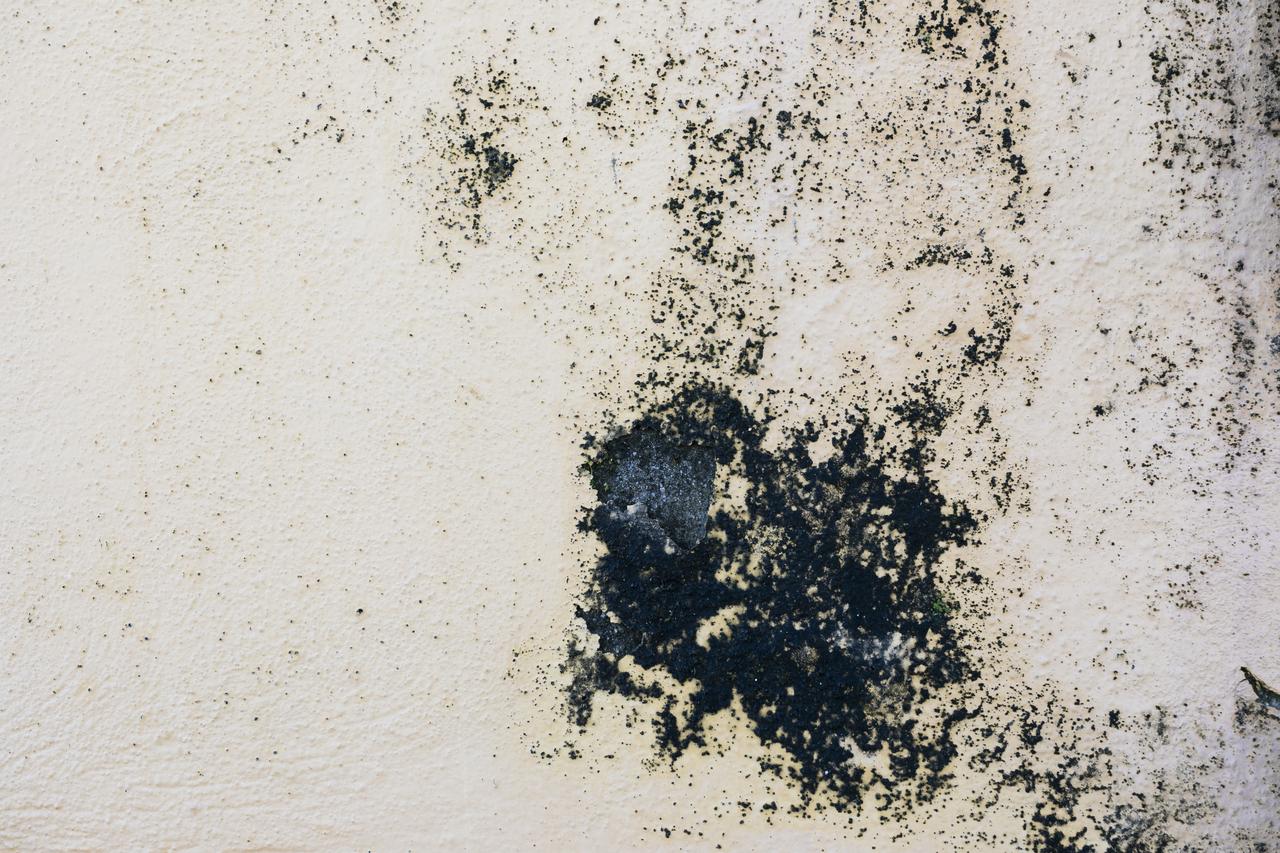
Not every damp basement is the same problem, and not every situation calls for the same repair. A waterproofing problem is any condition where water or moisture is getting into your home below grade in a way that was not intended. That includes obvious situations like water on the floor after a storm, but it also includes subtler ones: efflorescence on the walls, a persistent musty smell, visible cracks in the foundation, or window wells that fill up after heavy rain.
The difficulty is that the source is not always obvious. Water that pools on the floor might be coming through the slab from below due to hydrostatic pressure. It might be running down the wall and collecting at the base. It might be entering through a hatchway or window well somewhere else in the basement. Getting the source wrong means getting the repair wrong, which is exactly how homeowners end up calling a second contractor after the first fix did not hold.
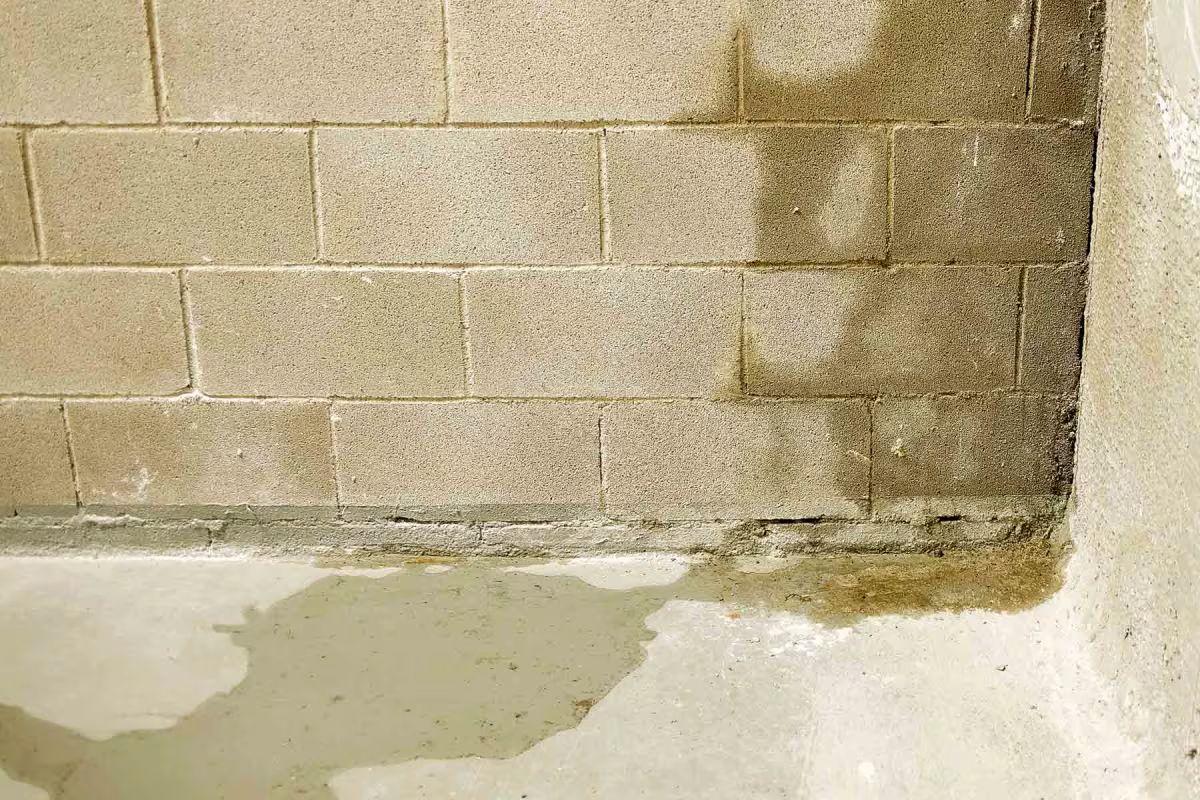
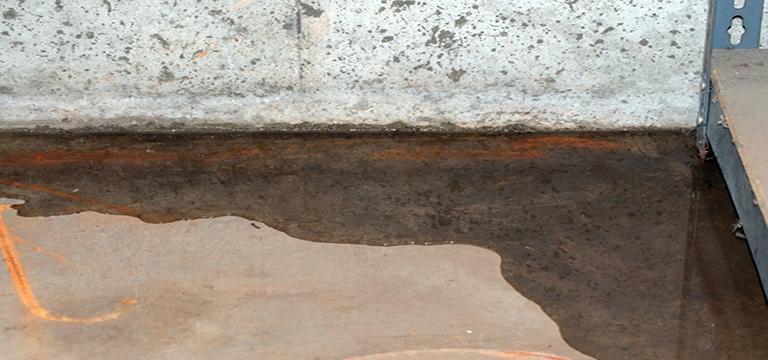
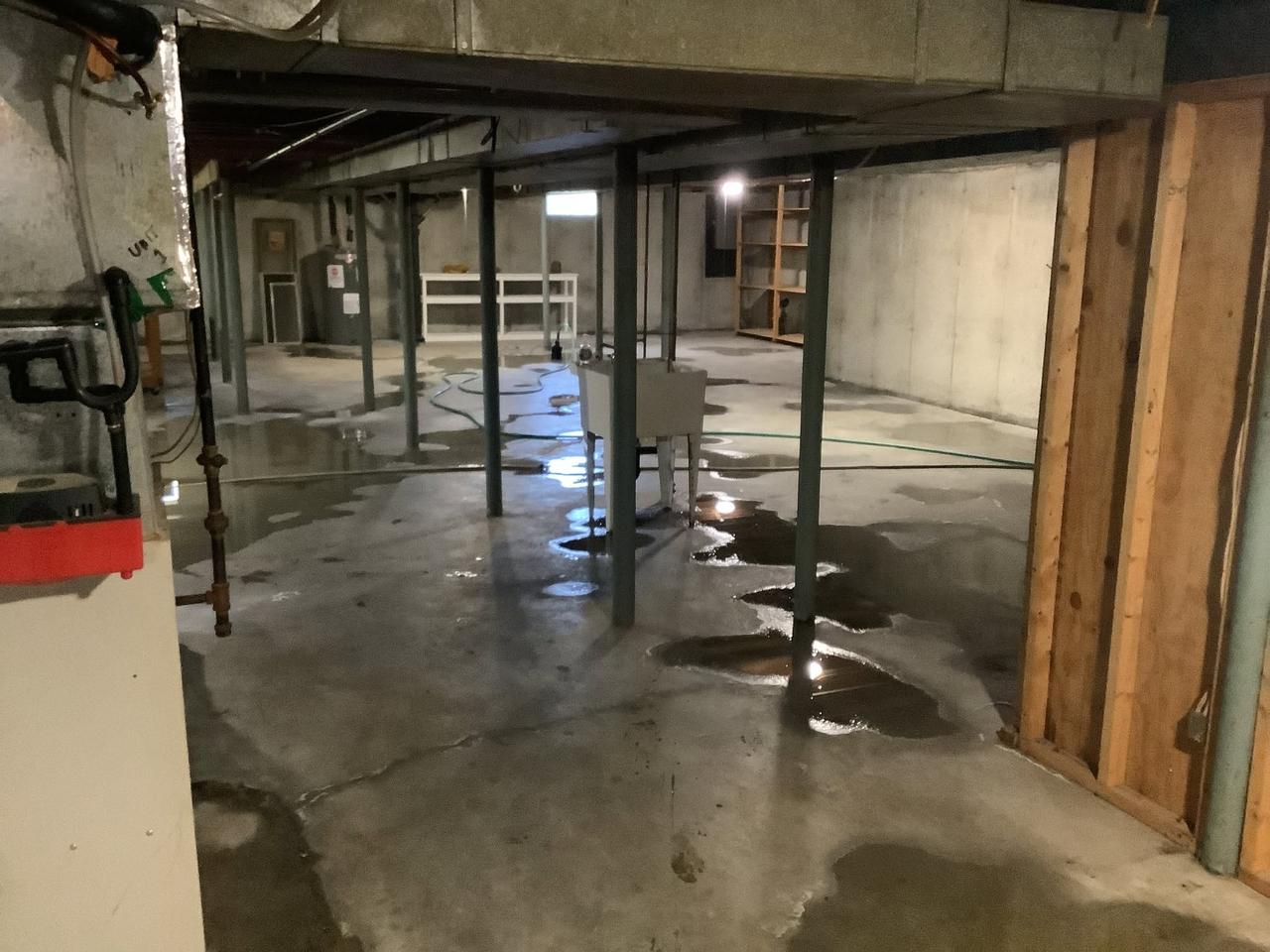
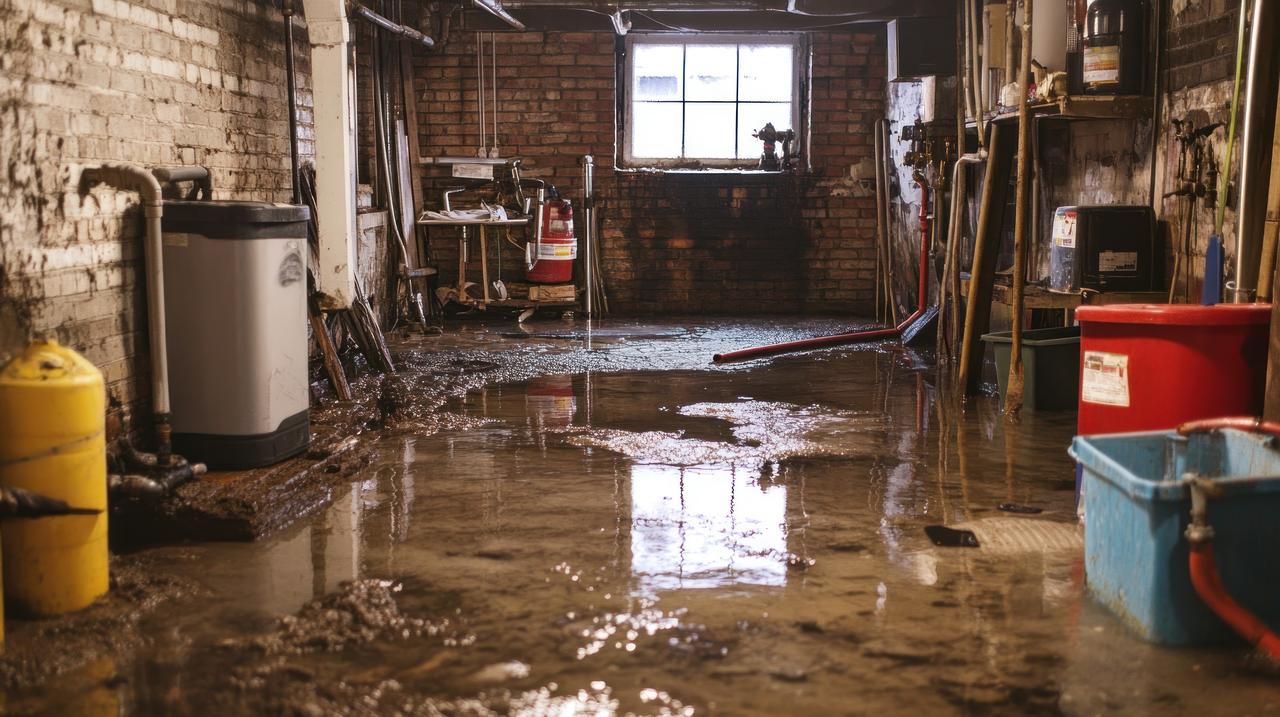
Floor-level seepage is one of the clearest signs that something needs professional attention. It is typically caused by hydrostatic pressure: groundwater pushing up through the soil beneath the slab and entering through the wall-floor joint, cracks in the concrete, or the slab itself.
This is not a cosmetic issue. If the water table rises enough to push water into your basement, it will do so repeatedly with every significant rainfall, snowmelt, or prolonged period of saturated soil. The correct repair for floor-level seepage is a below-floor interior drainage system, not a surface patch or an above-floor curb system. Those approaches collect water that has already entered but do not address the pressure causing it.
If you are seeing water on the floor after rain, call a professional before the next storm comes through. Waiting allows the water to create secondary damage: mold, efflorescence, deteriorating concrete, and in some cases structural weakening around the footing area.
Wall cracks are one of the most common reasons homeowners contact us, and for good reason. Not all cracks are the same, and the pattern of a crack gives information about what caused it.
Vertical cracks in poured concrete walls are common and typically caused by concrete shrinkage during curing or gradual soil pressure over time. They allow water in but are usually not structural. Horizontal cracks are caused by lateral pressure from the soil outside the wall and are more serious. Diagonal cracks often relate to differential settling of the foundation. Any crack that is actively leaking, visibly widening, or showing signs of movement should be evaluated promptly.
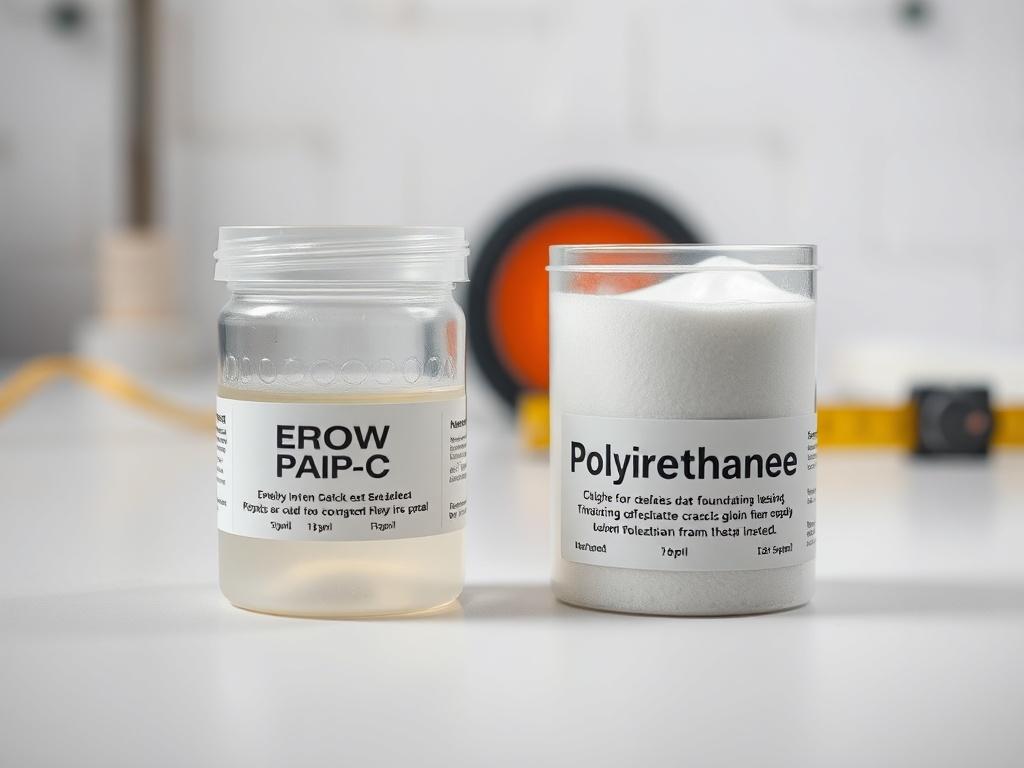
Even cracks that are not yet leaking can become water entry points when pressure builds around the foundation. Crack injection is the correct repair for most cracks in poured concrete walls: epoxy for structural bonding, polyurethane for sealing active leaks. Which material is right depends on the crack's condition, which is why an accurate on-site evaluation matters before any work begins.
Water does not only enter through the floor and walls. Three of the most overlooked sources of basement flooding are hatchways, window wells, and chimney cleanout areas.
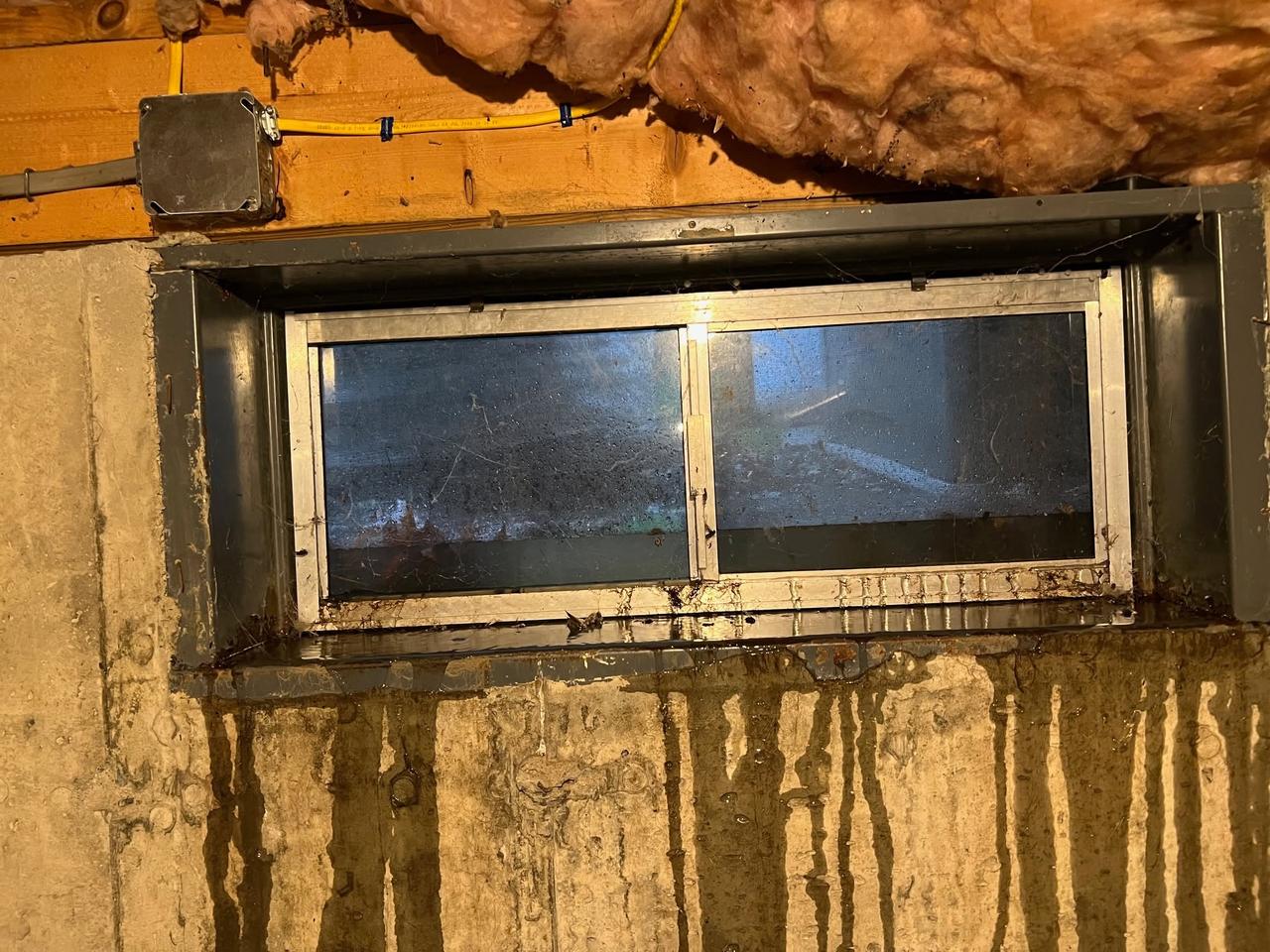
Hatchways fail at three points: the seal between the frame and the foundation wall, the drainage at the base of the hatch structure, and the door itself. Window wells flood when drainage at the base is clogged or absent, allowing water to build up against the window frame and enter through gaps in the surrounding masonry. Chimney cleanouts and the masonry block surrounding lower-level chimneys are porous, and groundwater migrates through them and appears at the chimney base.
If you notice water near any of these areas after rain, the specific source needs to be identified before any repair is attempted. Patching one point without checking all three will often leave the problem partially in place.
Whether you can afford to wait depends on what is happening. A slow-seeping crack in a dry corner of the basement after an unusual storm is a different situation from recurring floor flooding after every significant rainfall. Here is a general framework for reading the urgency.
Call right away if you are seeing any of the following: active water on the floor or running down a wall during or after rain; horizontal cracks in the foundation wall; any crack that has visibly shifted or widened since you last noticed it; water near the electrical panel, mechanicals, or a finished portion of the basement; or a smell that indicates mold is already present.
Schedule an evaluation within a few weeks if you notice: efflorescence on the walls; a musty smell with no visible water source; cracks that are not currently leaking but are new or appear to be growing; a window well that fills with water but has not yet entered the basement; or a hatchway that is slow to drain after rain.
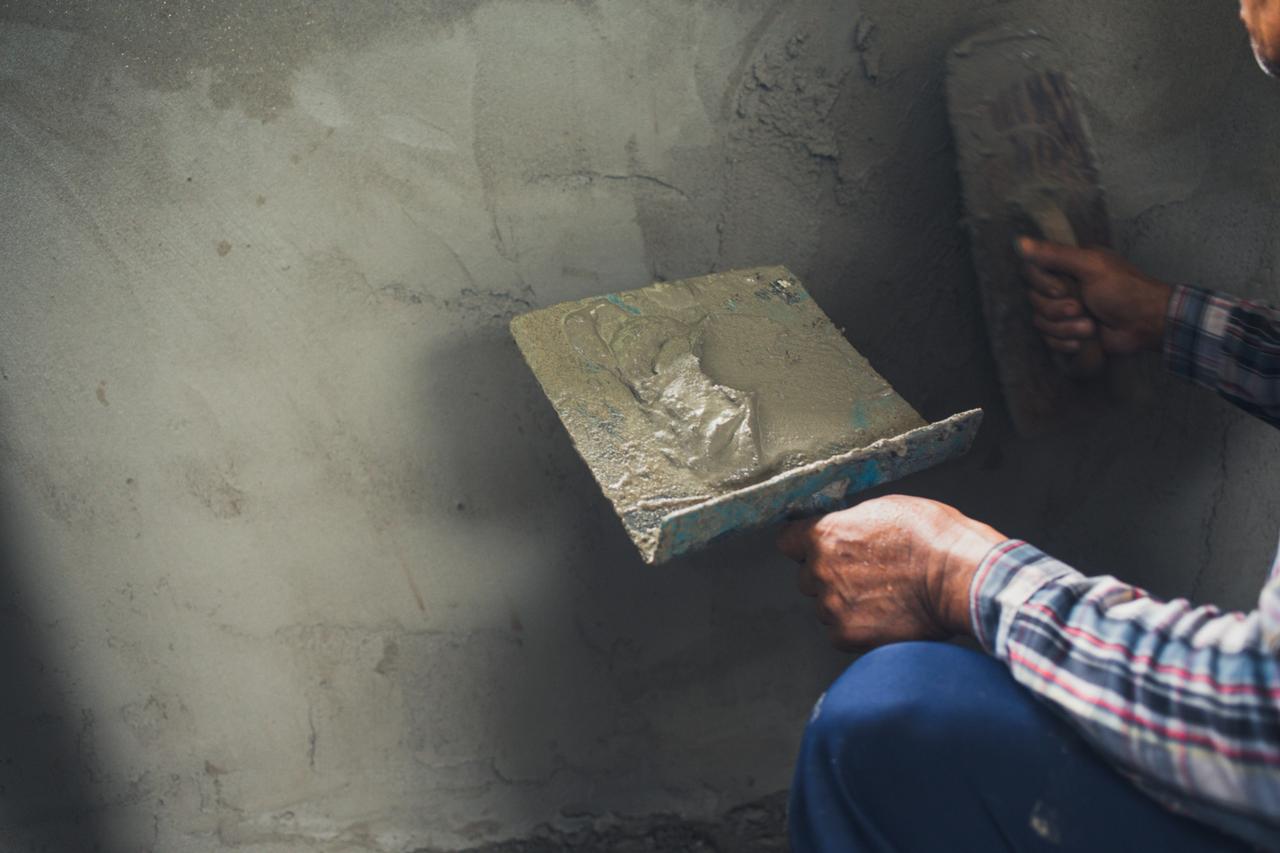
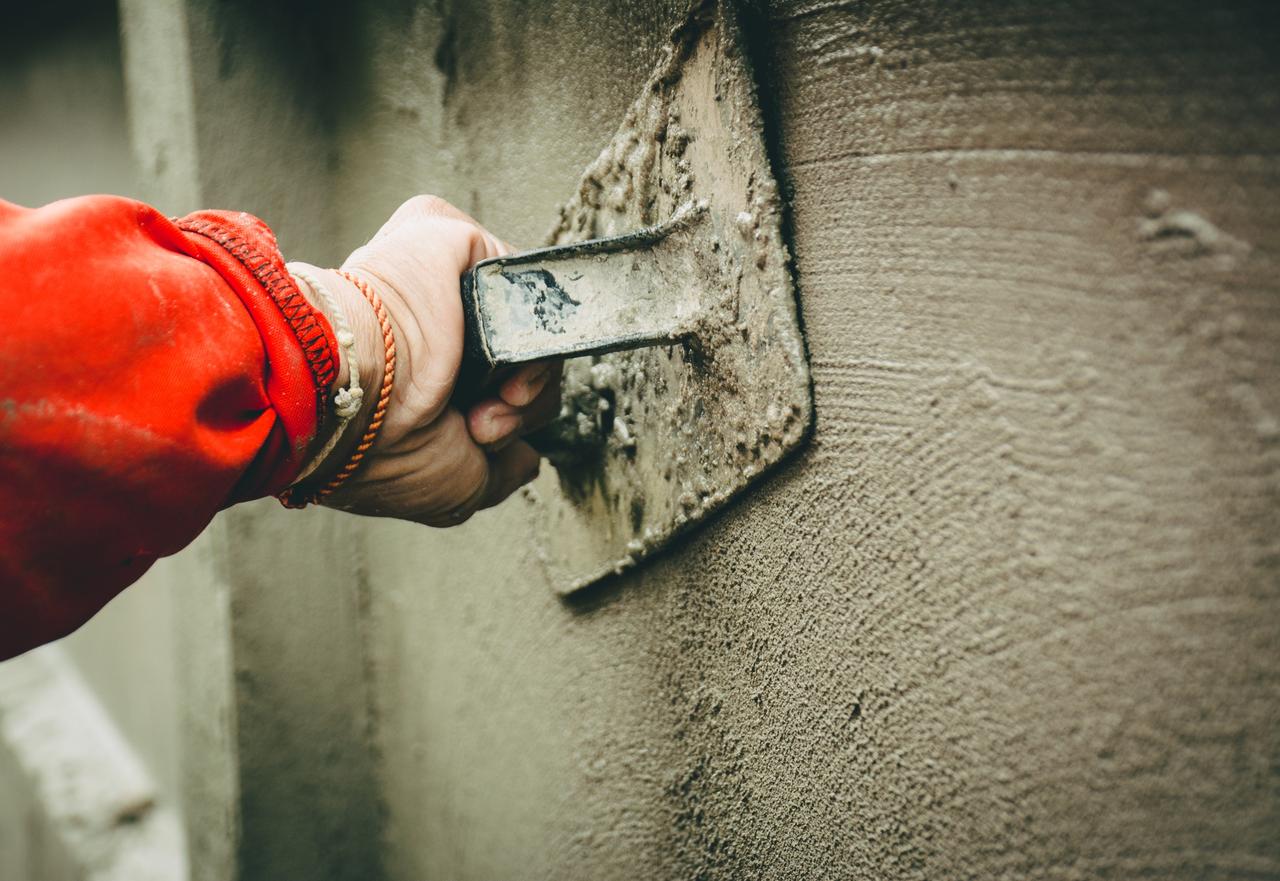
Do not try to diagnose the source yourself and apply a surface patch. Hydraulic cement can temporarily slow a leak but does not penetrate the crack or address the underlying pressure. In most cases it delays proper repair while the problem continues underneath.
The waterproofing industry has a well-documented history of overselling. The single most telling question to ask before hiring anyone is: who is actually doing the estimate, and what are they incentivized to recommend?
At Eastern Waterproofing Co., Inc., our owner Jon Piela personally evaluates every job. He has over 30 years of hands-on experience and brings that expertise directly to your home before any price is discussed. There are no salespeople, no commission structures, and no standardized packages applied regardless of what your home actually needs. We have been serving Manchester and Connecticut homeowners since 1976. Our crews average more than 12 years with us, and we back every job with a written guarantee.
Below are some of the most common questions we hear from homeowners in Manchester and across Connecticut.
What causes water to come in through the basement floor?
Water entering at floor level is typically caused by hydrostatic pressure, which is groundwater pushing up through the soil beneath the slab. It is not the same as a wall leak and requires a drainage solution installed below the floor, not a surface-level patch or above-floor curb system.
Can a foundation wall crack be repaired from the inside?
Yes. Most cracks in poured concrete walls can be repaired using crack injection, either epoxy resin for structural repair or polyurethane foam for sealing an active leak. The right material depends on the type, size, and condition of the crack. We evaluate each crack individually before recommending an approach.
What is causing my hatchway to flood?
Hatchway flooding typically comes from one or more of three areas: poor sealing around the frame where it meets the foundation, inadequate drainage at the base of the hatch structure, or a worn or unsealed door that allows rainwater in from above. We inspect all three points and repair the specific source.
My basement walls are damp but there is no visible leak. What is causing it?
Dampness without a visible drip is usually caused by one of three things: condensation forming where warm air meets a cold wall, capillary moisture wicking through the masonry itself, or very slow seepage too gradual to pool. The cause determines the fix.
How do I know the waterproofing work will hold long-term?
Our work is backed by a guarantee. More practically, we have operated continuously since 1976, and we are a third-generation family business. The same family that installs the work will still be reachable if you ever need to follow up on it. That track record is not something a franchise or recently formed company can offer.
We're here to assist you with all your waterproofing and drainage needs. Whether you're dealing with basement dampness, crumbling concrete, or window well leaks, our experienced team is ready to help.
Call Us: (860) 875-6646
Email Us:
Visit Us: Our office is located at 199 Adams St., Manchester, CT 06042
Business Hours: Monday to Sunday, Open 24 hours
Online Form: For your convenience, you can also contact us via our online form.
At Eastern Waterproofing, we value your privacy. Rest assured, we do not sell or share your contact information with third parties.
Related Topics:
Discover whether waterproofing a chimney is worth it, with insights into protecting your chimney from water damage, mold, and costly repairs.
Learn how to detect hidden wall leaks using signs, tools, and DIY methods, plus tips on repairs, prevention, and when to call professionals for lasting solutions.
To fix a wall water leak, locate the source, assess damage, dry thoroughly, seal the area, repair materials, and take steps to prevent future leaks or mold.
To fix a water leak behind a shower wall, inspect thoroughly, repair grout and caulk, install waterproofing, fix pipes, and consider professional help.
Fixing a basement wall leak involves identifying the source, cleaning and sealing the area, repairing cracks, and monitoring for future moisture issues.
Properly done foundation crack injections can last 20–30 years, especially with maintenance, good drainage, and professional inspections.
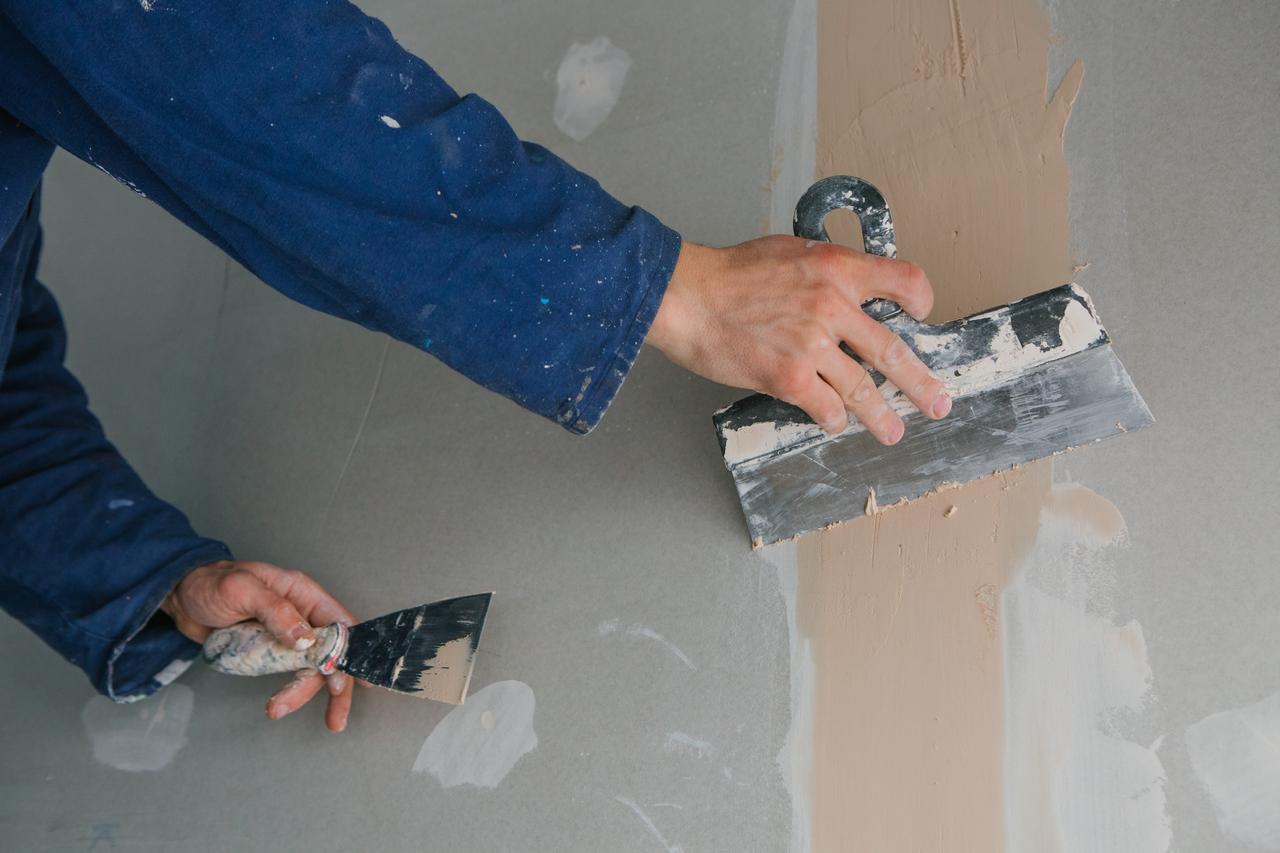
Repair plaster wall cracks by cleaning, patching with compound and mesh tape, sanding smooth, then priming and painting to blend with the wall.
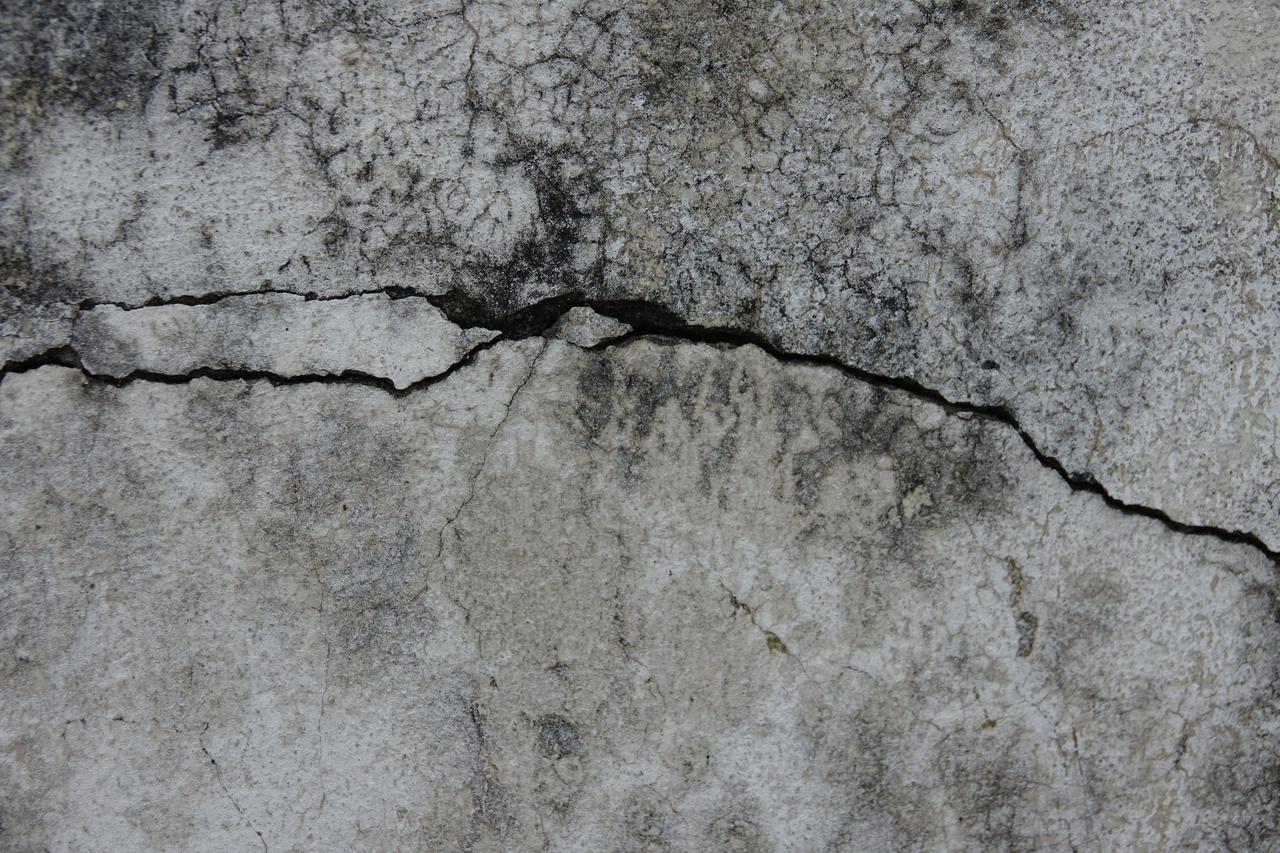
To repair basement wall cracks, assess crack severity, clean the surface, apply epoxy or sealant, reinforce with mesh tape, and maintain the area for lasting results.
To fix cracks in brick walls, clean the area, fill with mortar, smooth the surface, and apply a sealant. Regular checks prevent further damage and ensure lasting results.
Quickly repair wall cracks by cleaning, filling with compound, smoothing, sanding, then priming and painting to match the surrounding wall.
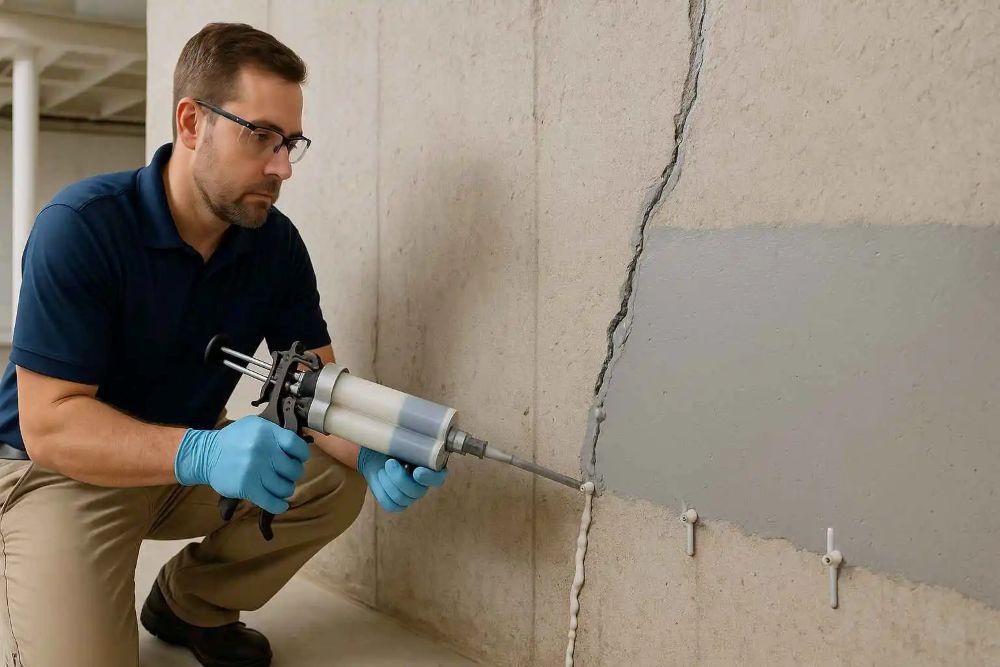
Find effective ways to stop foundation wall leaks and protect your home from water damage.
Learn the key differences between epoxy and polyurethane crack injection for effective foundation repairs.
Find the best ways to stop water seepage through your basement floor and avoid costly repairs.
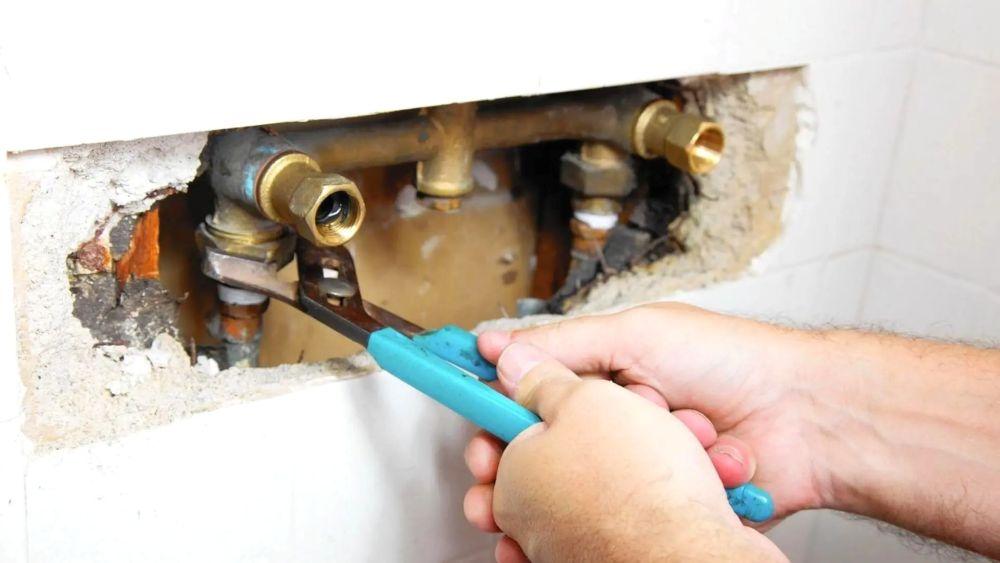
Learn how to locate and repair a pipe leak inside your wall to safeguard your home.
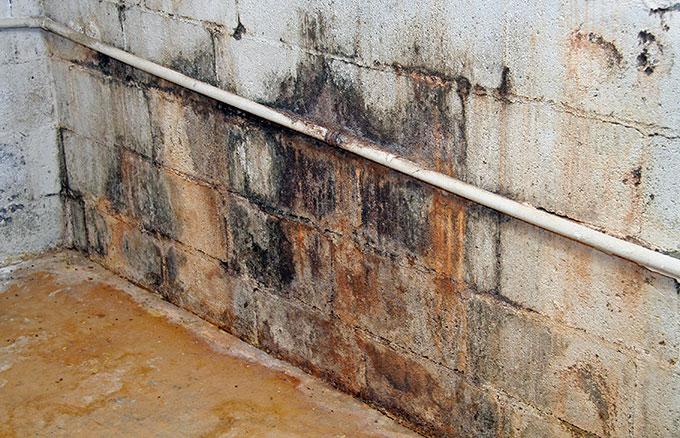
Stop leaks between your basement wall and floor with these reliable repair techniques.
Floor seepage slowly infiltrates concrete and basements, causing damp spots, mold, and structural damage if left untreated.
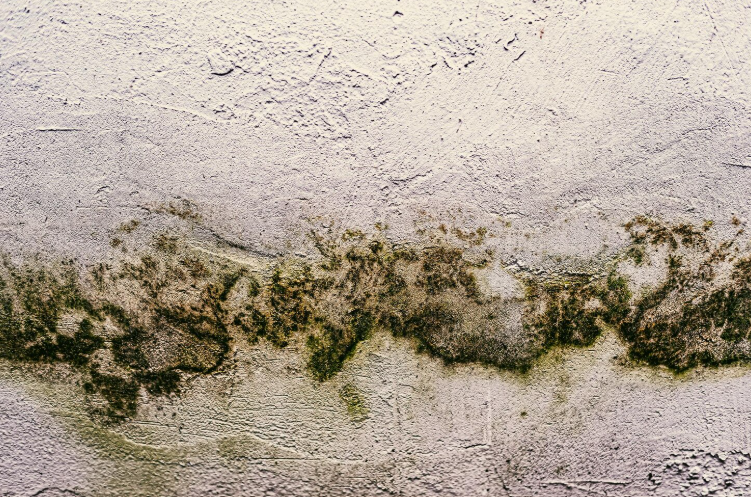
Basement seepage comes from gutters, cracks, poor grading, high water tables, leaks, and worn seals, causing recurring damp spots.
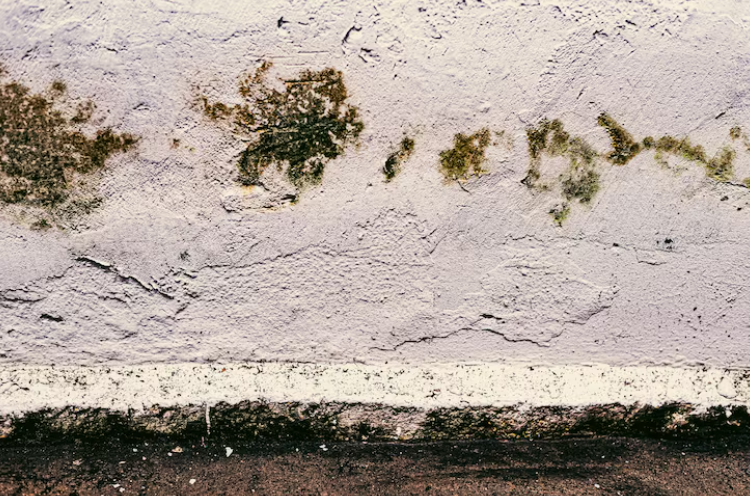
Stopping groundwater seepage means fixing drainage, grading, cracks, and using interior systems to keep basement moisture from returning.
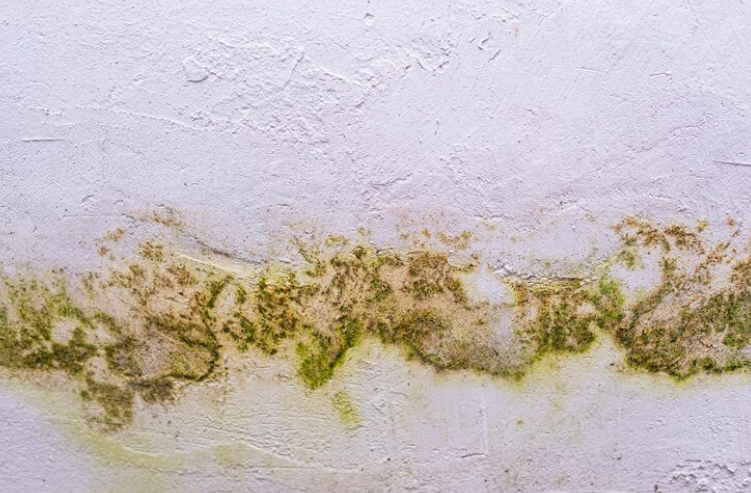
Seepage starts when water pressure, soil conditions, and small cracks work together, slowly causing damp spots that keep returning.
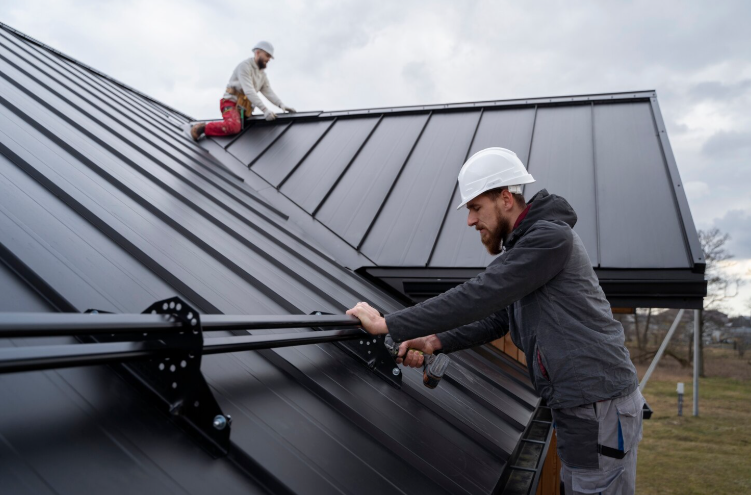
Roof seepage builds over time from worn shingles, flashing gaps, clogged gutters, and poor ventilation, turning small issues into leaks.
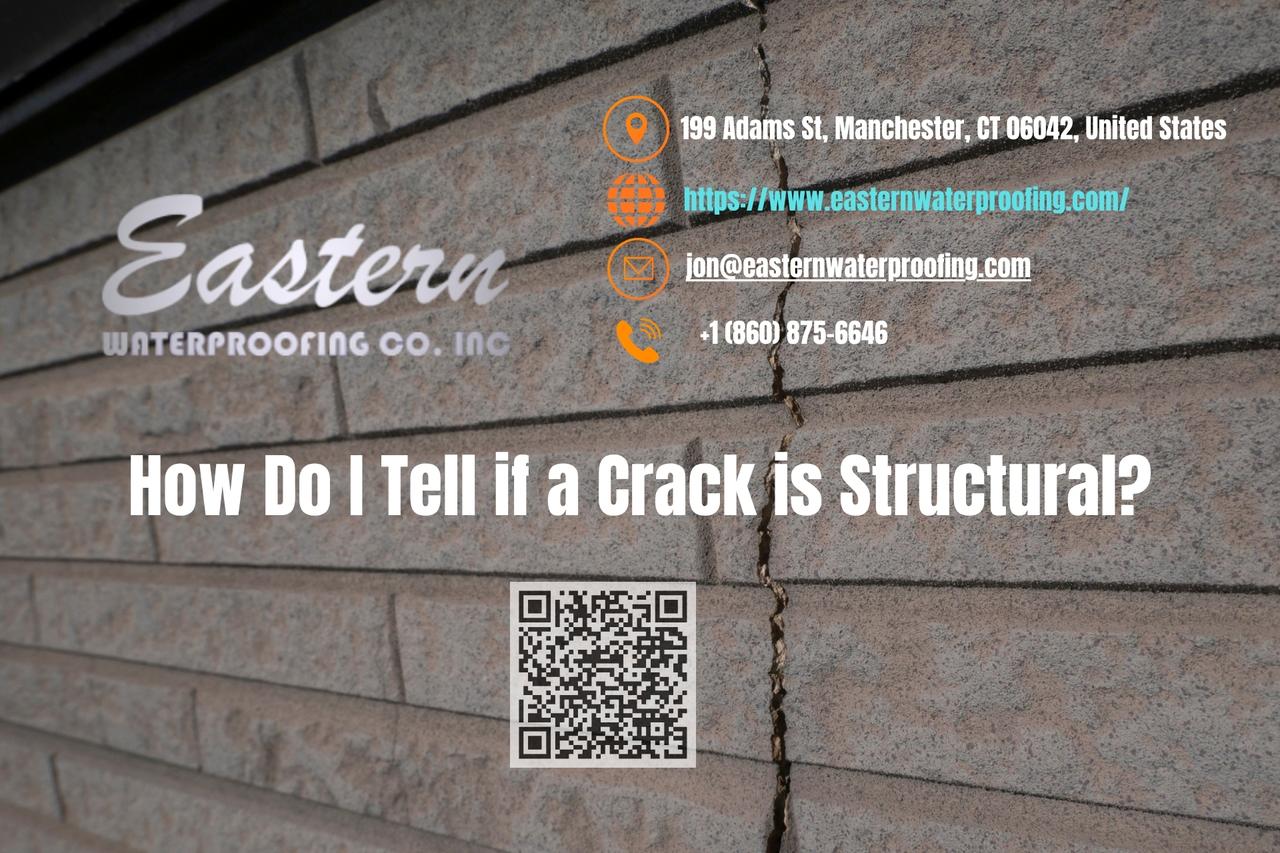
Learn how to spot structural foundation cracks and know when to call trusted waterproofing services in South Windsor, CT.
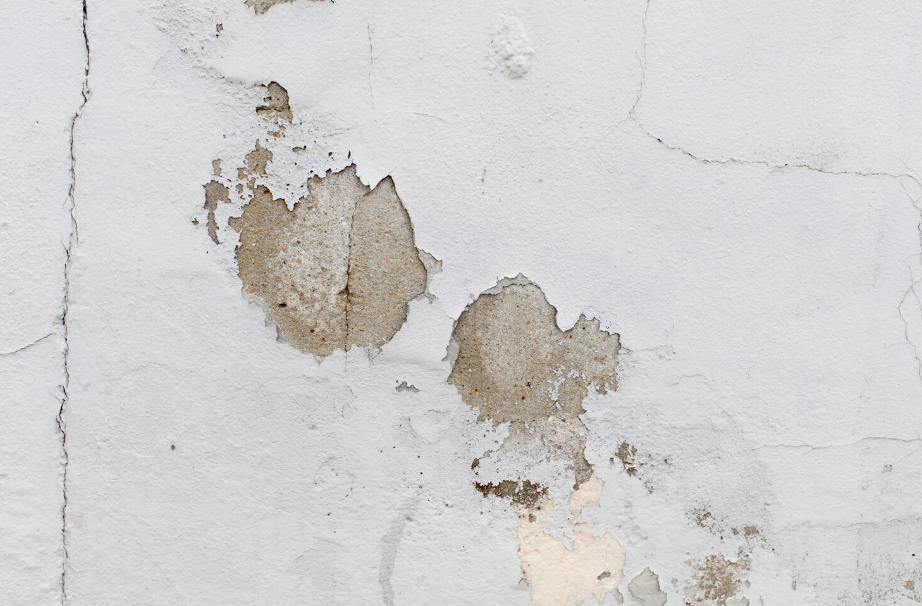
Learn why basement wall cracks leak during heavy rain and what causes pressure, drainage issues, and foundation movement.
Step-by-step guide to waterproof a cinder block foundation, from cleaning and sealing to drainage and crack repair for lasting protection.

Avoid costly waterproofing mistakes in Manchester, CT with professional waterproofing services in South Windsor and beyond.
Learn about professional waterproofing services in Manchester, CT, from interior drainage to crack repair and sump pumps
A step-by-step guide to basement waterproofing in Manchester, CT, diagnosis, systems, installation, and maintenance.
Researching sump pumps for your Manchester, CT home? Learn about sizing, installation, and how to keep your basement dry year-round.

Before hiring a waterproofing contractor in Manchester, CT, ask these five questions to understand how the company operates and handles projects.
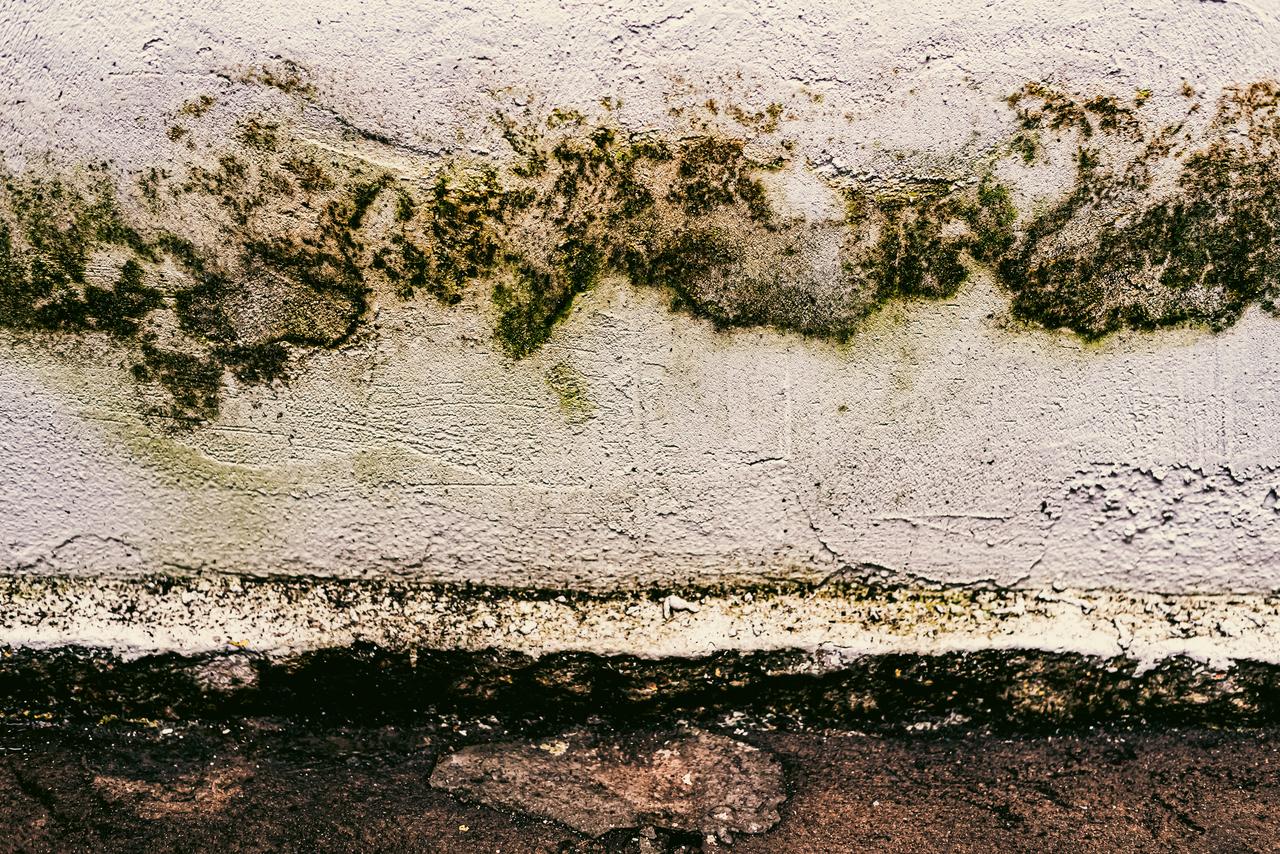
Learn the signs your basement may need waterproofing and when to contact a trusted waterproofing contractor in Manchester, CT.

Waterproofing helps protect your home and can support property value. Learn why Manchester, CT buyers and inspectors pay attention.
What happens when you hire a waterproofing contractor? Learn the process from inspection to project completion in Manchester, CT.