
A basement doesn't have to be actively leaking to feel wrong. You know that kind of situation where there's no standing water anywhere, but something still feels off? Plenty of homes across Connecticut are exactly like that. The walls feel cold and clammy, the air carries that musty smell, and the paint on the concrete is starting to bubble or peel a bit.
That combination usually points to wall dampness rather than a straightforward leak. And honestly, that matters, because it calls for a different kind of fix. Not just a patch job. A real one. Eastern Waterproofing, your trusted waterproofing service in South Windsor, CT, treats dampness and wall coatings as its own category of problem, not just an afterthought to a bigger repair.

Dampness and wall coating repair covers diagnosing why a basement wall stays damp, addressing the actual moisture source, and then applying a waterproof coating designed to hold up against that specific type of moisture. It is not simply painting over a problem. A coating applied to a wall without knowing what's causing the dampness underneath is one of the most common mistakes homeowners make before calling a professional.
This service fits homeowners dealing with cold, damp basement walls, chronic musty odors, or interior wall paint that keeps failing even after repainting. It's also relevant for anyone finishing a basement, since dampness that goes unaddressed before drywall and flooring go in tends to cause much bigger problems later.
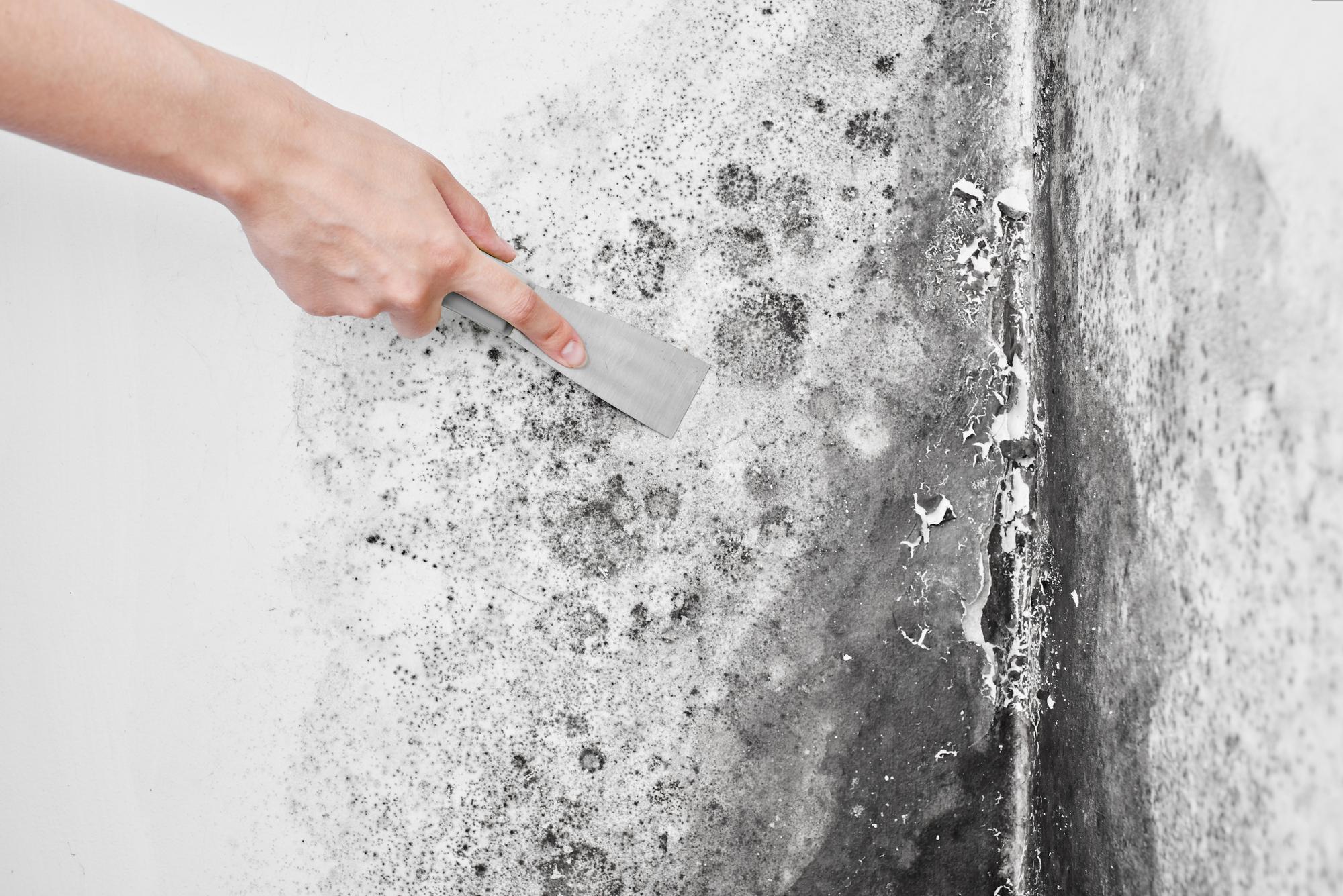
Not all wall dampness has the same cause, and the fix depends entirely on which type you're dealing with.
Condensation Dampness
Rising Damp
Penetrating Damp
Homeowners usually notice a few of these together rather than just one:
A waterproof coating applied straight over a damp wall without finding the source can trap moisture behind it, which often makes the underlying problem worse even as the surface looks better for a season or two. We don't treat wall seepage as a paint job.
Before we recommend anything, we look at drainage, grading, ventilation, and whether water seepage is actually coming from the floor rather than the wall, since that's frequently mistaken for wall dampness. We also rule out plumbing faults, since a slow leak behind a wall can produce the exact same staining as external wall seepage, with a completely different fix required.
Once we know what we're dealing with, the repair follows a clear sequence:
Coatings and repairs solve the moisture that's already there, but poor ventilation will bring it right back. Improving airflow in poorly ventilated rooms, running exhaust fans in adjoining bathrooms, and making sure the basement can dry fully after humid stretches all reduce the odds of dampness returning.
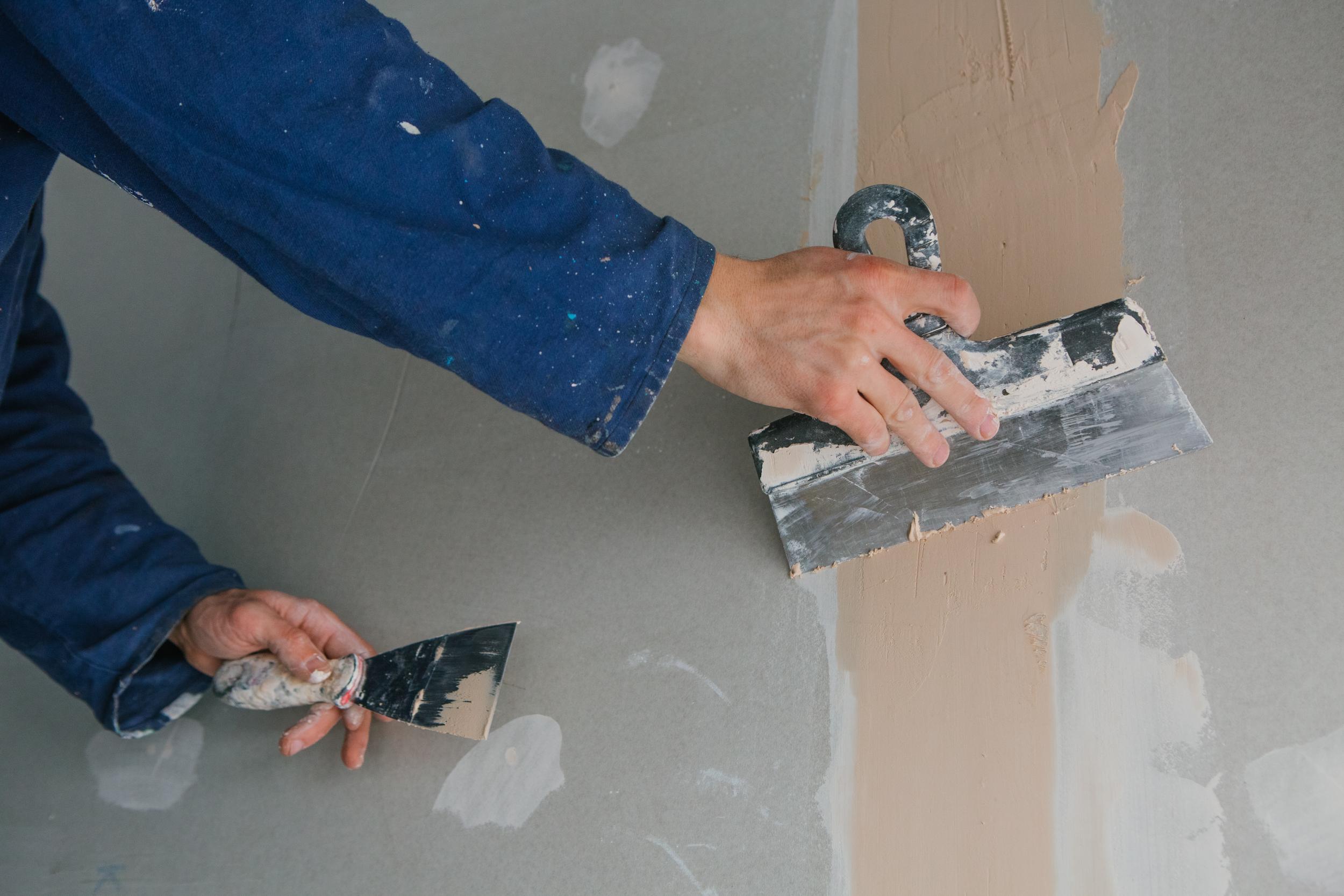
Jon Piela, our owner, evaluates every dampness call personally. He's a licensed Connecticut P7 plumber and WRT-certified water damage specialist, which matters here specifically because so much basement dampness traces back to a plumbing fault rather than the foundation itself. We don't send a commissioned salesperson to sell a coating.
We send the person who can tell you whether coating the wall will fix anything at all, an approach built on three generations and fifty years of doing this work in Connecticut. That approach is part of why mold prevention and waterproofing tend to go hand in hand in the homes we work on.
Dampness rarely shows up in isolation. It often overlaps with wall leaks where water is actively coming through a crack, or with floor level seepage where hydrostatic pressure is pushing moisture up from below. When cracks or seams are part of the picture, our team addresses wall cracks and seams directly rather than coating over a problem that will keep reopening.
Not always. Dampness without a visible drip is usually caused by condensation, capillary moisture wicking through masonry, or very slow seepage too gradual to pool. The cause determines the fix, since a wall coating addresses surface moisture but won't solve an active seepage source.
Standard paint isn't designed to handle moisture moving through masonry, and applying it without finding the cause often traps water behind the surface. A proper waterproof coating comes after the source is identified, not before.
We typically apply two coats for a durable, even barrier, since a single coat often leaves thin spots that fail earlier.
Once the moisture source is addressed and the wall is properly coated and ventilated, the conditions that cause a musty smell are removed. Ongoing ventilation helps keep it from returning.
If your basement walls feel damp, smell musty, or show paint that's starting to fail, it's worth finding out why before spending money on a fix that might not hold. Call us at (860) 875-6646 or request a free estimate. We'll come out, look at the actual wall, and tell you honestly what's causing it.
