
Water showing up on a basement wall doesn't always mean the same thing. Sometimes it's a foundation problem. Sometimes it's a plumbing leak that just happens to run down inside a wall cavity and only looks like a foundation issue from the outside. It can be tricky, you know, because both situations can look almost identical at first glance.
At Eastern Waterproofing, wall leaks are kind of one of the more misdiagnosed problems we come across. Homeowners patch the wrong thing, the water comes back, and then they're dealing with the same mess a year later, maybe worse. Getting the source right the first time, that's really what separates a repair that holds from one that doesn't.
That's why our team, offering professional waterproofing services in South Windsor, CT, takes the time to actually trace where the water is coming from before anything gets fixed. A bit of extra time upfront saves a lot of headaches later. And honestly, it just makes more sense to do it that way.

A true wall leak happens when water moves through the foundation wall itself, usually a poured concrete wall, rather than coming up through the floor. It commonly enters around poorly sealed openings such as water and well pipes, sewer or septic lines, form ties left over from construction, or electrical and well pump wiring that passes through the wall. Cracks and seams are another common leak source.
Foundation Wall Leak
Plumbing Leak
Because Jon Piela holds both a P7 plumbing license and a WRT certification, we can tell which one you're actually dealing with instead of guessing.
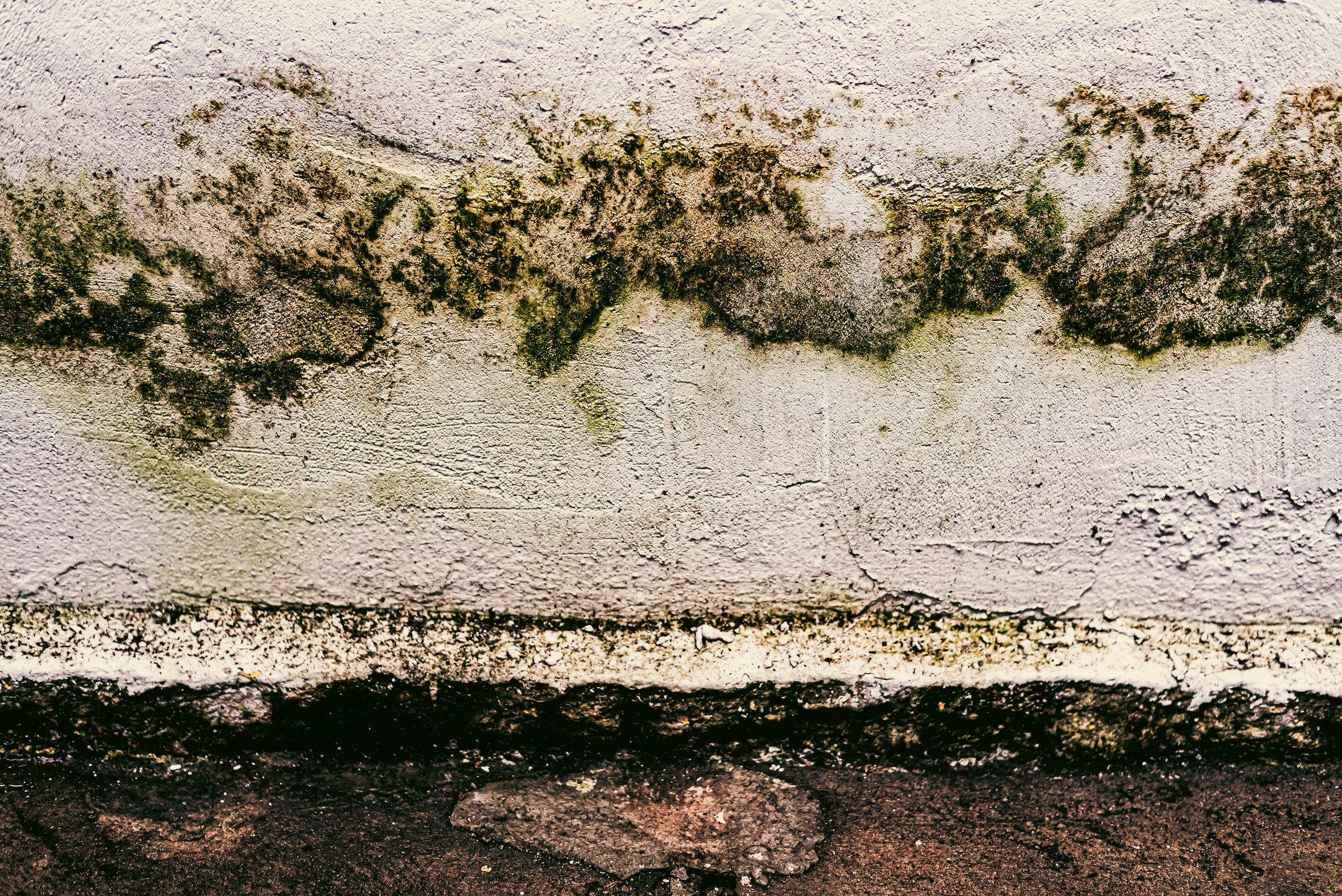
This service fits homeowners who notice water, dampness, or staining at a specific spot on a basement or foundation wall rather than general dampness across the whole space. It also matters for anyone dealing with peeling paint or bubbling paint on a finished basement wall, since that's often the first visible sign that moisture has been getting through longer than expected.
The location of the leak usually tells us a lot about the cause. Leaks higher on the wall are typically smaller and tied to a poorly sealed opening or a shrinkage crack, while leaks lower on the wall face far more pressure from the soil outside and tend to be larger and more persistent. Poor drainage and grading that let water pool near the foundation make any existing crack or seam worse over time.
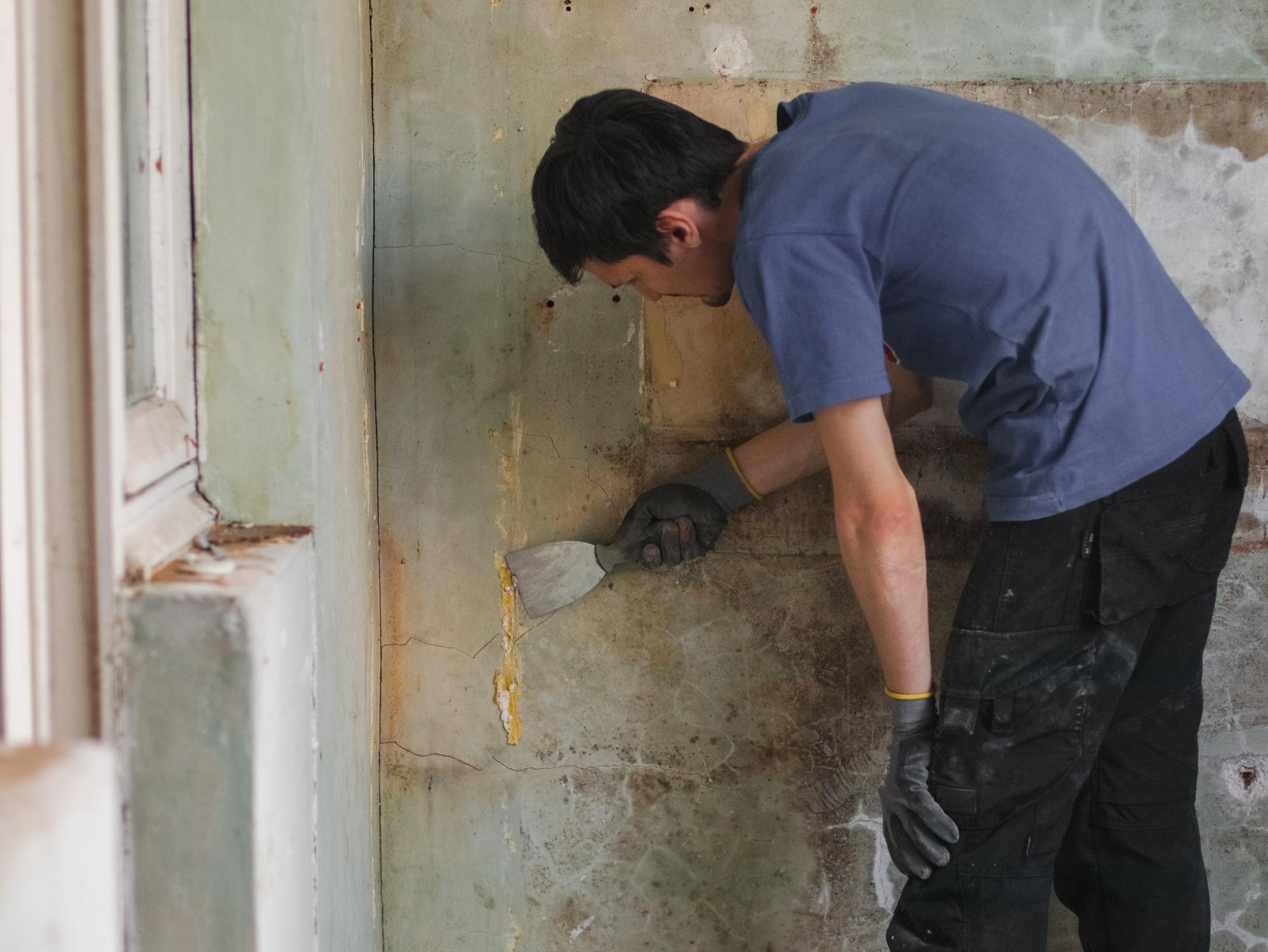
Jon Piela personally evaluates every wall leak call. He holds a Connecticut P7 plumber license and a WRT certification, a rare combination in this trade and directly useful when a leak could be coming from either the foundation or the plumbing system. Every estimate is written and provided the same day, with no commissioned salesperson involved at any point.
If the crack causing the leak is widening or structural, that typically calls for crack injection using epoxy or polyurethane, depending on the situation. Wall cracks and seams more broadly, including cold pours from original construction, are treated as their own category since not every crack is actively leaking yet. If water is coming up through the floor rather than the wall, that points to floor level seepage instead.
Yes, in most cases, using crack injection with epoxy for structural repair or polyurethane for sealing an active leak, depending on the crack.
When a patch is placed low on the wall, water still reaches the concrete and is only stopped at the interior surface, so some dampness near the patch can remain. That's part of why lower, larger leaks are usually better addressed from the outside.
Signs like timing tied to water use rather than rain, or a source that traces back to a fixture or supply line, point toward plumbing. Since Jon is a licensed plumber, this gets identified correctly during the evaluation.
Form ties are the small metal rods left in rows on a poured concrete wall from construction. The openings around them are a common, if often overlooked, source of small wall leaks.
If you've noticed a damp spot, a stain, or peeling paint tracing back to one area of your foundation wall, it's worth having someone look at it before it spreads. Call us at (860) 875-6646 or request a free estimate. We'll find the actual source and tell you honestly what it will take to fix it for good.
