Need Waterproofing Help? Call: (860) 875-6646
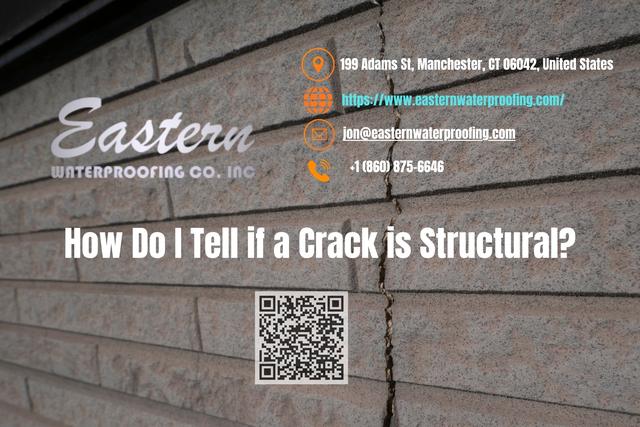
Structural cracks can put a building at risk, especially when they pass certain width limits that point to foundation movement. In many cases, cracks measuring 1/8 inch or wider deserve closer attention and should be checked by a qualified professional. The width is not the only factor, though. The pattern and location matter just as much.
Professionals look at the shape of the crack, how it spreads, and whether other damage shows up nearby. Stair-step cracks in brick, long horizontal lines along basement walls, or gaps that keep widening over time can signal something deeper is going on. Doors sticking and floors sloping are also clues. It is rarely just one sign alone.
<iframe></iframe>
Most homeowners notice cracks and feel unsure about what they mean. Some are minor settling marks that come with age, while others point to real structural concerns that should not be ignored. Knowing the difference can save you from major repair bills and prevent safety issues later. If you are unsure, reaching out to trusted waterproofing services in South Windsor can help you get a clear answer before the problem grows.
The width of a crack tells you everything about its threat level. Cracks measuring 1/8" or wider automatically fall into the structural category, especially when they appear on foundation slabs where the building's weight creates constant stress.
Measuring crack width accurately requires a ruler or crack gauge. Check multiple points along the crack's length since the width can vary significantly. Document these measurements with photos that include the measuring tool for reference. Foundation slab cracks deserve special attention because they support your home's entire weight distribution.
Foundation professionals use specific width thresholds because concrete naturally develops hairline cracks during curing. However, when cracks widen beyond 1/8", the underlying cause typically involves soil movement, hydrostatic pressure, or structural overloading that won't resolve on its own.
Gaping diagonal cracks running at roughly 45-degree angles across walls indicate differential settlement. This happens when one section of your foundation settles faster than another, creating stress concentrations that manifest as angled fractures. These diagonal patterns often start small near corners or openings but expand rapidly under continued stress.
Stair-step cracks that run alongside walls follow the mortar joints in masonry construction. They create a distinctive zigzag appearance that mirrors individual brick or block shapes. This pattern suggests foundation movement causing the wall to separate along its weakest points - the mortar joints between masonry units.
Several vertical cracks in a row signal systematic foundation issues rather than isolated settling. When you see multiple parallel vertical cracks within the same wall section, the foundation beneath that area is likely experiencing uniform settling or heaving that affects the entire span.
Doors or windows that suddenly stick, gap, or refuse to close properly indicate structural movement affecting your home's frame geometry. Pay attention to doors that worked fine last month but now require extra force to latch. This suggests the doorframe has shifted out of square due to foundation movement.
Bulging walls or visible bowing in previously straight surfaces point to lateral pressure problems. Walk around your home's interior and exterior walls, looking down their length to spot any outward curves or inward depressions. These deformations rarely occur without significant structural stress.
Floor slopes that develop over time, particularly in older homes, may indicate foundation settlement beneath load-bearing walls. Place a marble on suspect floors and watch its rolling direction. New slopes often correlate with crack development in adjacent walls or foundation areas.
Start by examining crack depth using a flashlight held at an angle to cast shadows into the opening. Surface cracks typically appear shallow and follow random patterns, while structural cracks often penetrate completely through materials and follow stress patterns related to building loads.
Document crack locations with photographs that include nearby reference points like electrical outlets, doors, or windows. This documentation helps track crack growth over time and provides valuable information for structural engineers during professional evaluations.
Tap along crack edges with a small hammer or your knuckles, listening for hollow sounds that indicate loose material or voids behind the surface. Solid tapping suggests the crack hasn't compromised the material's integrity, while hollow sounds may indicate more extensive damage requiring immediate attention.
Contact a structural engineer when multiple warning signs appear simultaneously. Engineers possess specialized training in analyzing crack patterns, measuring structural displacement, and calculating load-bearing capacity reductions caused by damage.
Professional assessments include advanced diagnostic techniques like ground-penetrating radar, laser displacement monitoring, and soil analysis that reveal underlying causes invisible to homeowners. These evaluations cost significantly less than emergency structural repairs needed when problems progress unchecked.
Many structural engineers offer preliminary consultations that help prioritize repair urgency without requiring full engineering studies. This approach gives you expert guidance on immediate safety concerns while budgeting for comprehensive solutions.
Structural crack repairs vary dramatically based on underlying causes and damage severity. Surface stabilization techniques like epoxy injection work well for isolated foundation cracks caused by minor settling. However, differential settlement or ongoing soil movement may require underpinning solutions that transfer building loads to deeper, more stable soil layers.
Carbon fiber reinforcement systems provide effective solutions for walls experiencing lateral pressure problems. These materials bond directly to existing surfaces and dramatically increase wall strength without major construction disruption.
Monitor repaired areas carefully during the first year following any structural work. Quality repairs should prevent crack recurrence, but continued movement may indicate incomplete solutions requiring additional engineering intervention.
The key difference between structural and cosmetic cracks comes down to width, location, and accompanying symptoms. Trust your instincts when something seems off about your home's condition, but rely on professional expertise for definitive answers about structural integrity and appropriate repair strategies.
<iframe></iframe>
We're here to assist you with all your waterproofing and drainage needs. Whether you're dealing with basement dampness, crumbling concrete, or window well leaks, our experienced team is ready to help.
Call Us: (860) 875-6646
Email Us:
Visit Us: Our office is located at 199 Adams St., Manchester, CT 06042
Business Hours: Monday to Sunday, Open 24 hours
Online Form: For your convenience, you can also contact us via our online form.
At Eastern Waterproofing, we value your privacy. Rest assured, we do not sell or share your contact information with third parties.
Resources:
<blockquote><p>How Do I Tell if a Crack is Structural? ✨ Learn More: https://t.co/8OZei4ynQU 📍 Find us: https://t.co/FRovKA26ki #EasternWaterproofingCoInc #trustedwaterproofingservicesinSouthWindsor #waterproofing #basementdehumidification https://t.co/FtFVaZGteb</p>— Eastern Waterproofing Co Inc (@ewaterproofer) <a href="https://x.com/ewaterproofer/status/2034573754840539622?ref_src=twsrc%5Etfw">March 19, 2026</a></blockquote>
Related Topics: