
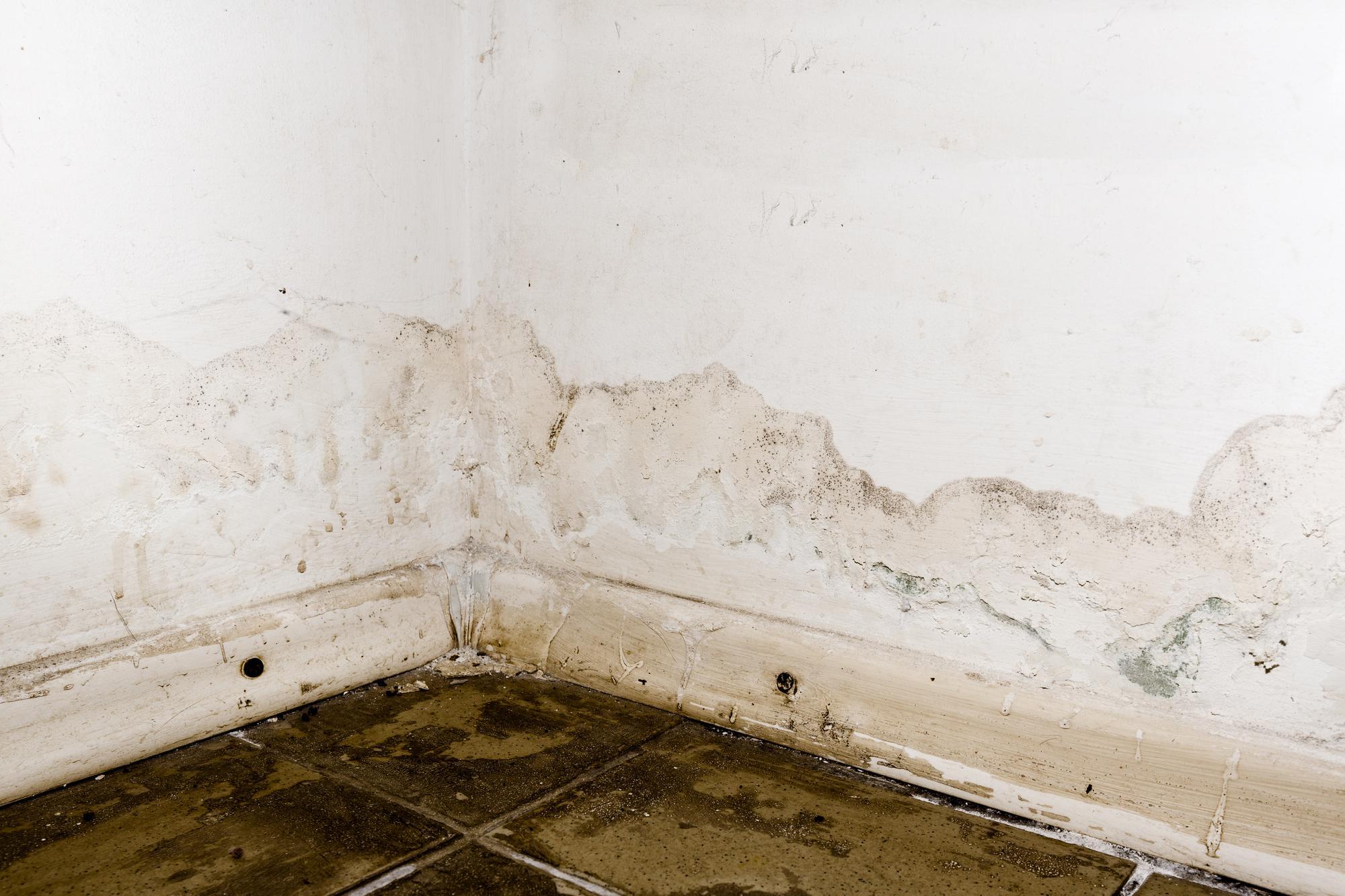
A wet basement rarely announces itself all at once. It kind of sneaks up on you. Maybe it starts as a damp patch near the cove joint, you know, that spot where the wall meets the floor. Or maybe it's just a faint musty smell after a storm that you keep brushing off.
Sometimes it's a thin film of moisture on the concrete floor that seems to appear out of nowhere. You check it, it dries up, and then a week later it's back. That cycle gets old pretty fast. And the longer it goes ignored, the more it tends to spread.
At Eastern Waterproofing, basement seepage repair is one of the most common calls we get across Connecticut. It's also, honestly, one of the most misdiagnosed problems in the whole industry. A lot of homeowners get patching jobs when what they actually need is a real fix. That's where working with a reliable waterproofing company in South Windsor, CT, makes a difference.

Seepage is different from a burst pipe or a sudden flood. It's the slow, steady movement of water through foundation walls or the basement floor itself, usually driven by hydrostatic pressure building up in the soil outside. Rather than pouring in, water finds the path of least resistance through foundation cracks, porous concrete, mortar joints, or the small gaps left around rod holes from original construction.
This service fits homeowners who notice recurring dampness rather than a one-time accident. If you've mopped up water after every heavy rain for more than a season, if a finished basement has started showing water stains along the baseboards, or if you've noticed efflorescence building up on basement walls, seepage is almost always the underlying cause. It's also relevant for anyone buying or selling a home where a wet basement has been flagged during inspection.
High Water Table and Hydrostatic Pressure
Poor Grading or Short Downspouts
Foundation Cracks
Clogged Gutters
Failed Prior Drainage System
A high water table combined with clay-heavy soil means some neighborhoods hold more groundwater near the foundation than others, and homes there see seepage even without unusual weather. Older homes with basement windows set near grade level often take on water through worn frames during heavy rain. And homes with a prior system that used an above-floor track or channel frequently see the problem return, since that approach never lowers the water table beneath the slab.
Our process follows a consistent sequence on every job:

Jon Piela, our owner, personally evaluates every basement seepage call. He's a licensed Connecticut P7 plumber and WRT-certified water damage specialist, which means the person diagnosing your basement is the same person accountable for the repair work.
We don't send a commissioned salesperson to recommend a standard package regardless of what your home actually needs. That approach, combined with fifty years in business and crews who average more than twelve years with us, is why homeowners keep calling us back for a second or third project instead of starting over with someone new.
Seepage rarely shows up alone. If water is coming through a wall rather than the floor, that's usually a wall leak issue, and it may involve wall cracks and seams that need direct attention. Active or widening cracks are often addressed through crack injection specifically, since epoxy and polyurethane solve different problems depending on whether the concern is structural or purely a leak.
Hydrostatic pressure from a high water table and clay-heavy soil that holds water against the foundation after rain is the most common cause, and floor-level seepage is the most common result.
A proper system uses four inch perforated pipe encased in washed stone with filter fabric, installed below the floor adjacent to the footing. Systems using a track or channel mounted above the floor do not lower the water table and are less effective.
One sump pump handles approximately 3,000 gallons of water per hour under normal conditions. Two pumps are rarely necessary for a residential basement.
If your basement has been damp more than once, it's worth finding out why before the problem gets more expensive to fix. Call us at (860) 875-6646 or request a free estimate. We'll look at your specific foundation, tell you honestly what's causing the water, and recommend only what your home actually needs.
